

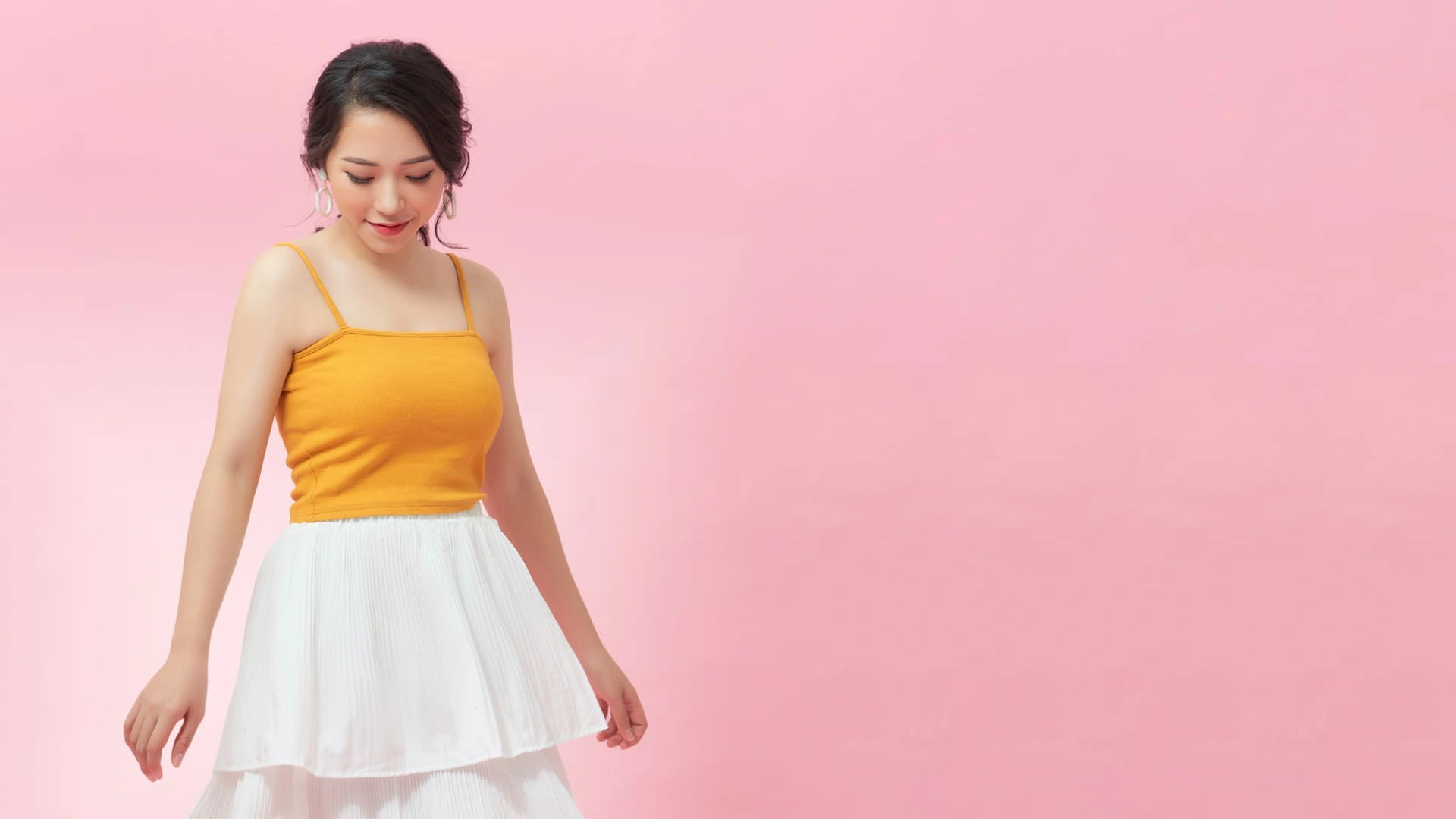
Shopping for a dress should look exciting, not like a personal battle against bad lighting, confusing size charts, and dresses that look fabulous online but questionable in your mirror. The right dress can change more than your outfit. It can actually change your posture, your mood, and the way you walk into the room. But finding the dress takes more than chasing trends or grabbing whatever catches your eye first. You need to know what flatters you, what fits your lifestyle, and what makes you feel confident.
Ready to go from “maybe” to “absolutely?” Here’s how to find a dress you’ll actually love.
Before browsing hundreds of dresses, decide what you actually want. Are you shopping for a wedding guest dress, a date-night look, an office outfit, or something versatile enough for several occasions? Your purpose immediately narrows the field and prevents impulse purchases that eventually collect dust in your closet.
Think about the impression you want to make, too. Elegant? Playful? Sophisticated? Effortlessly chic? Your answer can guide everything from color to silhouette.
This simple step saves your time because you are no longer shopping for a “cute dress.” You are shopping for the right dress for a specific moment. That distinction matters too. The thing is: when your search has a direction, better choices become much easier to spot.
The secret to a great-looking dress is rarely the trend itself. It is the silhouette. Different cuts highlight different features, so understanding what works for your proportions can make shopping dramatically easier.
A-line dresses create a balanced shape and offer plenty of movement. Wrap dresses can define the waist while creating a flattering neckline. Fit-and-flare styles add shape without feeling restrictive, while sheath dresses deliver a sleek and polished appearance.
That doesn’t mean you need to follow rigid body-type rules. Fashion shouldn’t feel like homework. Instead, pay attention to what makes you feel comfortable and confident.
You must try different silhouettes. Notice which ones make you stand taller, move naturally, and immediately think, “This feels like me.” That reaction is highly valuable.
One common dress-shopping mistake is treating the number on a tag like a universal truth. It is not. Sizing varies between brands, fabrics, cuts, and even individual collections.
Instead of obsessing over the label, focus on how the dress actually fits. The shoulders should sit comfortably, the fabric should not pull awkwardly, and you should be able to move without constantly adjusting the garment.
If you shop online, check the brand’s size chart and compare measurements before ordering. Read product descriptions thoughtfully, especially when they mention stretch, fabric weight, or a fitted silhouette.
And if you fall between sizes, think about the dress itself. A stretchy style may accommodate you comfortably, while a structured design might require sizing up. The goal is simple: fit your body, not a number.
Fabric can completely change how a dress feels, looks, and also moves. A beautiful cut in the wrong material can feel stiff, cling in unexpected places, wrinkle after ten minutes, or become uncomfortable halfway through an event.
Start by thinking about where you will wear the dress. Linen and cotton blends feel fresh and breathable for warm days, casual lunches, and outdoor events. Satin and silk-like fabrics create a softer, dressier effect that works beautifully for evenings and celebrations. Jersey offers stretch and easy movement, while structured fabrics can create sharper lines and hold a silhouette more clearly.
Also consider maintenance. A dress that requires constant steaming, special cleaning, or delicate handling may not suit a busy lifestyle. There is nothing glamorous about owning something gorgeous that you avoid wearing because attending for it feels like a project.
When shopping dresses online, zoom in on fabric photos and read the composition. Reviews can also reveal whether a material is sheer, scratchy, or prone to wrinkling. Those details can make the difference between a dress you admire and one actually reach for.
Color is often the first thing people notice, so choose it with the same level of attention as the silhouette. You don’t need to limit yourself to a strict seasonal palette, but noticing which shades brighten your complexion can make the shopping much easier.
Hold different colors near your face and pay attention. Does the shade make you look fresh and awake, or does it seem to overpower you? Rich jewel tones can feel dramatic, pastels can create softness, and neutrals can look effortlessly refined. Prints tend to add personality, especially when their scale and contrast feel comfortable for you.
Don’t automatically choose black simply because it feels safe. Black can be fantastic, but navy, chocolate, burgundy, olive, cream, or a bold red might give you the same versatility with much more impact.
A fitting-room mirror only tells part of the story. Once the dress is on, move around. Sit down. Walk and reach your arms up. Turn sideways. Look at the back. If possible, take a quick photo or video because clothes can look different on camera than they do in a mirror.
Ask practical questions. Does the neckline stay where it should? Does the hem ride up? Can you sit comfortably? Are you constantly pulling at the waist or adjusting a strap? A dress should support your evening, workday, celebration rather than become another task that you have to manage.
Shoes matter here too. Try the dress with a heel height similar to what you plan to wear. The proportions may change dramatically, especially with midi and maxi lengths.
Before buying, imagine at least two or three ways you could style the dress. Could you wear it with heels for dinner and flats for brunch? Would a blazer make it office-friendly? Could different jewelry, a belt, or a jacket change the mood?
Versatility doesn’t every dress must work everywhere. A glamorous occasion dress can have one clear purpose and still be worth owning. But for everyday purchases, styling flexibility usually means better value and fewer forgotten pieces in your wardrobe.
This is also where your existing closet becomes useful. Instead of mentally buying new shoes, a new bag, and a new jacket to make one dress work, ask whether the dress already has friends at home. The easier it is to style with pieces you own, the more likely you are wear it.
Sometimes the nearly-ideal dress is actually the right dress waiting for a small adjustment. A hem can be shortened, straps can sometimes be adjusted, and a waist may be taken in depending on the construction.
A small tailoring expenditure, however, can make an affordable dress look surprisingly polished. Fit creates the impression that the dress was chosen for you rather than simply pulled off a rack.
Finally, pay attention to your reaction before you start asking everyone else for an opinion. When a dress truly works, you often know. You stop analyzing every tiny detail and start imagining where you will wear it.
That doesn’t mean the dress needs to be dramatic or universally flattering according to some imaginary rule-book. It simply needs to make you feel comfortable, attractive, and like yourself.
If you are immediately planning complicated shape-wear, wondering whether you can tolerate the fabric for four hours, or hoping you will suddenly love the color later, the answer may already be clear.
An attractive dress is the one that allows you to focus on the moment instead of the outfit.
Finding an amazing dress is not about discovering a magical body type, following every trend or squeezing into a particular size. It is about matching purpose, silhouette, fabric, fit, color, and comfort with your personal style.
Shop with a working plan, but leave room for surprises. Try the unexpected neckline. See the color you normally scroll past. Walk around in the fitting room. Take the photo. Check the fabric, and also pay attention to how you feel.
Because the real OMG moment is not when a dress looks impressive on the hanger. It is actually when you put it on, look in the mirror, and suddenly stop searching.

Expressive dresses designed to bring confidence and style to moments.